Find everything you need to know about Art Energy—from installation and payments to smart charging, account management, and maximizing your EV experience.
Support
Everything you need to know about the product and billing. Can’t find the answer you’re looking for? Please chat to our friendly team.
EV charging management software allows site owners and operators to monitor chargers, manage pricing, process payments, control user access, and track usage and performance — all from a centralized platform.
Most commercial EV chargers require software to:
Without software, chargers are often limited to basic or private use.
Many platforms use a subscription-based model to cover software hosting, monitoring, support, and development. These fees are usually charged per charger, per month, regardless of how often the charger is actually used.
During the utility rebate compliance period, chargers are required to remain connected to approved software so usage and performance can be tracked. Once that required period ends, property owners often reassess ongoing costs. If software fees continue regardless of usage, they can become difficult to justify long-term — especially at locations where utilization varies.
Most utility rebate programs require chargers to remain connected to a networked software platform for 3–5 years. After that period, the property owner is typically free to discontinue the software. If the platform relies on ongoing monthly or annual fees, many sites choose not to renew — which can cause chargers that depend on software for access, payments, or activation to go offline.
Yes — in many cases, EV charging functions similarly to other shared amenities such as laundry facilities or vending machines. Property owners typically charge for usage and can generate revenue that covers electricity costs, operating expenses, and often produces a profit. As EV adoption increases, charger utilization tends to grow over time, improving long-term returns.
EV chargers may be owned and operated by:
The structure depends on the site, funding source, and long-term goals.
Yes. Even in lower-usage locations, EV charging can remain viable when operating costs are structured properly. Solutions that avoid fixed monthly fees help ensure chargers stay online and available without creating unnecessary financial pressure during early adoption periods.
EV chargers are a long-term infrastructure investment. Their long-term value depends on:
Our support team is here to help you get the most out of your Art Energy experience.


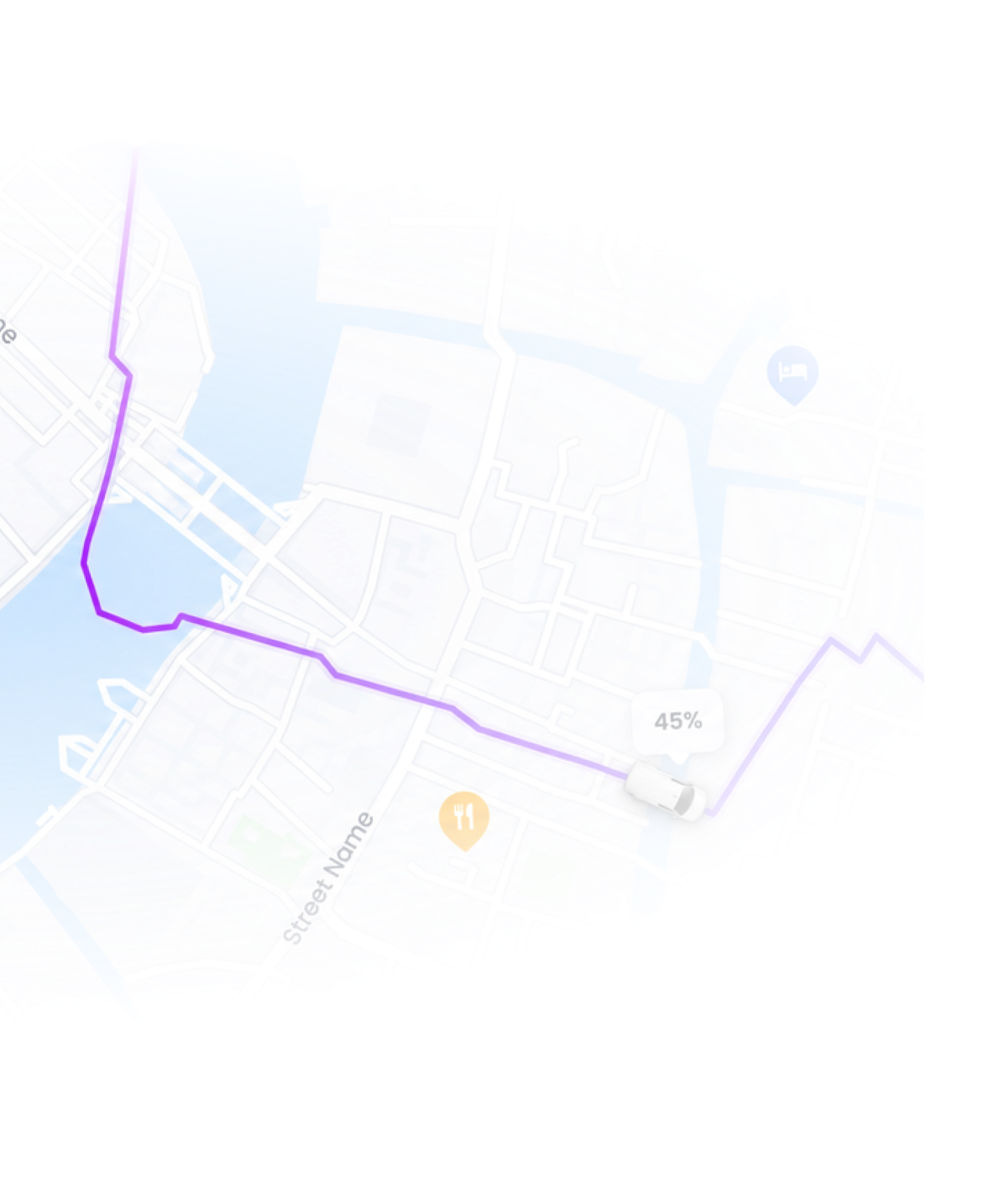
Experience seamless EV charging with real-time station availability, remote charging controls, secure payments, charging history, and smart notifications, all designed to make every journey effortless.